Do we take some tools with us? What about a jacket, will it be cold in Jamaica? Johnny’s seasoning? How about a long sleeve shirt? A tie? Do I really need a tie?
My brothers & me – from L to R, Josh (hear no evil), Me (speak no evil), Joel (see no evil)
This picture is very telling of me. From as far as I can remember (and also hearing accounts from family members) I have always been blessed with an over-active gift of gab. Gregarious, you might say. Excellent communicator. Public speaker. Conversationalist. Talking seems very natural to me. My aunt has told me I can sell “ice to the Eskimos” (whatever that means) and I have had stints as an actor, a salesman, a speaker, and an admission counselor. So yes, my ability to speak is an asset to me, a gift, and a sense of pride.
This time Jedd took over the video editing, bringing to you a glimpse of our trip to Oahu over New Years for a big family reunion, time to relax, help around the house, and get in a little play time as well. It was our last trip “home” before we take off to Peace Corps, and it was full of memories we’ll treasure. Now that it’s been gloomy, snowing, and pouring rain in Portland, these memories prove to be a “light in the darkness” in so many ways. (Since people were asking in our last video: Made with this year’s and last year’s Christmas gifts, our waterproof GoPro camera and Panasonic HDC-TM55.)
Tomorrow will have an island. Before night I always find it. Then on to the next island. These places hidden in the day separate and come forward if you beckon. But you have to know they are there before they exist.
Some time there will be a tomorrow without any island. So far, I haven’t let that happen, but after I’m gone others may become faithless and careless. Before them will tumble the wide unbroken sea, and without any hope they will stare at the horizon.
So to you, Friend, I confide my secret: to be a discoverer you hold close whatever you find, and after a while you decide what it is. Then, secure in where you have been, you turn to the open sea and let go.
I’ve always thought that Vegans were a little crazy.
Give up all food that contains any type of animal products in it? No thank you.
Say goodbye to my other loves: meat, cheese, and sushi? No deal.
In many ways, I agree with Anthony Bourdain (No Reservations show host). I believe that some of the most amazing things I’ve ever tasted have come from all things anti-vegan.
And then I saw this movie (thanks to Michelle):
After seeing this movie I’m now singing a new tune: “Why not?”.
What if I told you that just by changing what you ate, you could not only lose weight, but effectively battle diabetes, fatigue, lower your blood pressure, fight heart disease, and more importantly, save your life by actually reversing many of these diseases.
Wouldn’t you say, “why not?”
The only answers I could give myself was:
1. “It won’t taste as good.”
First of all, I don’t think that getting pleasure from eating is a bad thing. However, a lot of the things that people enjoy are purely unhealthy and worst of all, we know it. We know that fried food, soda, sugar, mayo, fat, etc. – yeah, all the “good” stuff- isn’t that good for you at all. We don’t just eat these things on special, rare occasions, we find ourselves consuming these things on a daily basis. You’re probably like me. You don’t just like this kind of food, you CRAVE it.
I’ll have to admit, I wasn’t keen on the whole plant-based diet thing because I didn’t think it would taste good. I tried comparing veggie burgers to beef patties, tofu to chicken and it doesn’t (and shouldn’t) taste the same. That was one of the issues, trying to find plant-based food that substituted and tasted the same as animal based food. You might get lucky, but most of the time, it just tastes different. So the best way to enjoy plant-base food is to learn how to make different, but still very tasty things.
2. “I can’t find anything that doesn’t have animal products in it.”
This really blew my mind: we don’t realize how much food is made from animal products and chemicals. It’s kind of a scary thought. Even if you cut out meat in your diet and tried the vegetarian thing, chances are you would still be consuming animal products and highly processed foods. Take a look at any food packaging in your kitchen. You’ll find lots of it has some sort of animal product in it or a long list of mysterious ingredients you can’t pronounce. Some people have easier access to plant-based, whole foods. Here in Portland it’s pretty easy to find lots of different kinds of plant-base products. Elsewhere in the country where there isn’t much demand, good luck.
And how to cook without butter or milk? Thankfully those vegans know. Apparently there’s a lot of people all over the world that have known this crazy wonderful tip about plant-based eating for many, many years. Folk who have lived longer because of it. I didn’t realize how much literature and resources actually existed about the subject. I was unaware because it is very rare to see any commercials on TV or online advertising plant-base food. Apparently it’s not sexy enough. Or maybe there are companies and politicians who don’t want Americans to hear a different story. They hope we continue lifestyles that have lead to increases in obesity, diabetes, stroke, and heart disease.
—
So will I turn a new chapter in my life and become a full fledged Vegan? Probably not. Truthfully, I don’t see the majority of people doing it either.
However, after watching this movie, talking to awesome friends that are vegan, trying and enjoying whole, plant-based food, and seeing on a daily basis how bad food is ruining good lives, Michelle and I are committed to being more intentional about what we eat and how much we eat.
So “why not?”
If you’ve ever considered it even just a little bit, why not give yourself three months to try something different that could potentially save your life? If after three months you see no changes to your health, go back to what you were doing. I would like someone to try and disprove the notion that a plant-based diet can positively change someone’s life. If you ever need extra support, Michelle and I will join you in your challenge.
I still think vegans are crazy. But if crazy means that it might just save my life, then call me crazy too.
As you might recall, about a two years ago I did my own P90X challenge with some pretty good results. Of course, I didn’t actually change my diet, which actually makes a big difference if you want to really see results from the program. This year, both of us decided to do a 90-day challenge. We’ve completed week one of our new plan to exercise daily and to be more intentional regarding what we eat and already I can tell, it’s going to be a long winter.
Here’s our plan:
– Do a modified version of the P90X 90-day work out (Lean version. Running and swimming instead of kenpo and cardio workouts)
– No red meat, fried food, or beer for three months
– Reduce sugar intake (candy, soda, desserts)
-Eat fruits and vegetables to our heart’s content
– follow the p90x suggested nutrition 3 phase plan (1st month: fewer carbs, more protein. 2nd month: re-introduce carbs on a limited basis. 3rd month: a balanced diet).
-We are free to celebrate on holidays
The winter months in the northwest provide a cold and wet environment, a rich (insert sarcasm here) wonderland to retreat to warm, dry houses, non-activity, and holiday feasting. Don’t get me wrong, we aren’t training for a marathon (which we have no plans to ever do) and we will not miss out on the holiday treats (last year my in-laws made AMAZING chocolate marble boxes). What we are simply trying to do is to fast, to gain control of parts of our life that can unintentionally get out of control, and to exercise the true gift of life, which is Choice (more to come on this another day).
Those of you who know me know that I am a “feeler.” I am emotional and very aware of how I feel (a blessing and a curse). On a day-to-day basis, I do what I “feel” like doing. I know this sounds ridiculous because we all do that. If we are hungry, we eat. If we are tired, we sleep. However, for me, when I crave, I try my best to resolve those cravings. Take, for example, truffle French fries from Jade Restaurant (where my brother works). I eat these things as if I will never have them again. I devour most food like this. I tend to eat too much, and too much of a good thing can be hazardous for my health (especially when you enjoy fried food, beer, red meat, sugar, etc…). It’s not that truffle fries are inherently bad, it’s that I’ve come to the hard realization that when it comes to food, I often have little control. I let my cravings control me.
Ironically, when it comes to exercise, it’s the exact opposite. Most of the time I am not excited to work out. Michelle is usually up and at ’em when we run in the morning. I would much rather stay in the warmth of the covers instead of run in the wet wintery weather (to be fair to Michelle, she would too, but she is much better at motivating herself). Exercise goes against my natural inclinations. I would much rather lounge around than to physically exert myself. Having completed p90x once already and having run half-marathons (things I would never have thought I could do before), I know it takes a lot of effort, time, and- in some ways- pain to accomplish these things (none of which sound as good as relaxing and eating truffle fries).
And this is what leads me to our plan to fast. Fasting has always been a foreign concept to me. I have always seen it negatively. Why would someone withhold themselves from things they enjoy? More importantly for me: I could never finish a fast. Take Lent for example. I would say: I won’t drink soda for forty days- and I wouldn’t last a week. I once tried challenging myself and a friend to do 50 push-ups and a 100 sit-ups each day for a month. I lasted a week and a half while Cory (because of his competitiveness and awesomeness) completed the challenge.
I couldn’t complete these challenges because, one, it was too easy to fail, and two, I didn’t have self-control and self-determination/belief. When I met Michelle, I couldn’t even run a mile or two. Through her patience and wisdom, I learned that I didn’t pace myself, that you can’t run 13.5 miles if you can’t run 1. It was about the little victories. Do a short distance that’s possible to accomplish. Start adding more miles. Start running more often. The little victories turned into bigger ones. Now I can say that I’m a runner (words I thought I would never write).
Fasting is about gaining control of your life instead of letting your cravings take control of you, starting with little victories to accomplish your overall goals. During this season where non-activity and feasting usually reign in our lives, we are intentionally choosing to do the opposite. It doesn’t have to be about food and exercise. It could be anything in your life that you feel you don’t have the best control of.
So if you could, please keep us accountable for this challenge by asking us how we are doing. Please note that if you make something that is deliciously fried and we decline, it’s not that we are trying to offend you, but we are trying to do something intentional and out of the ordinary (unless its a holiday). Support from family and friends is incredibly important with challenges like these and we all need challenges like these to remind us that we do have choice and control over our lives.
» Traveled to Tampa, Florida to help my Great Aunt prepare for her move
» Began work travel (for PSU Admissions) to Austin, Texas and saw friends Melissa and Dainon
Lessons Learned:
» Live life to the fullest. Exercise a lot. Enjoy and celebrate your family. There’s a lot you can do in your later years of life.
» Love is tough (but worth it). My great Aunt recently lost her husband and it has broken my heart, made me realize how thankful I am for Michelle but how tough it will be when the chapter of sharing life together will end.
» The United States is an amazingly big and diverse place. Texas is big. Texas is…..interesting (let’s leave it at that).
» Thankful for friends who even though I haven’t seen in a decade, are the same amazing friends I’ve always known.
OCTOBER
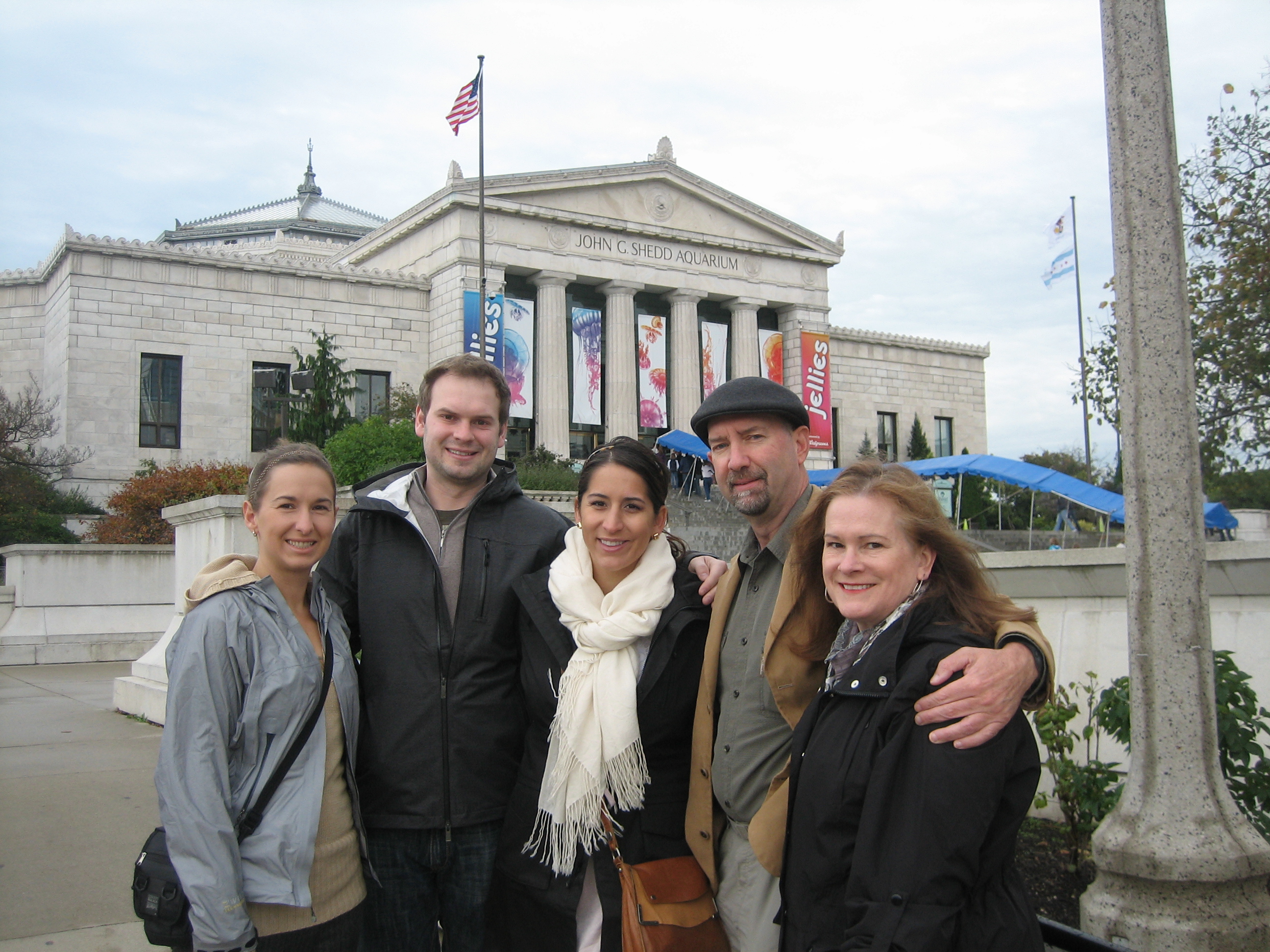
» Finished work travel to TX by visiting Houston (Michelle was able to join me for this part) » Traveled to Chicago to visit Michelle’s brother and sister in-law (Michelle’s parents visited as well)
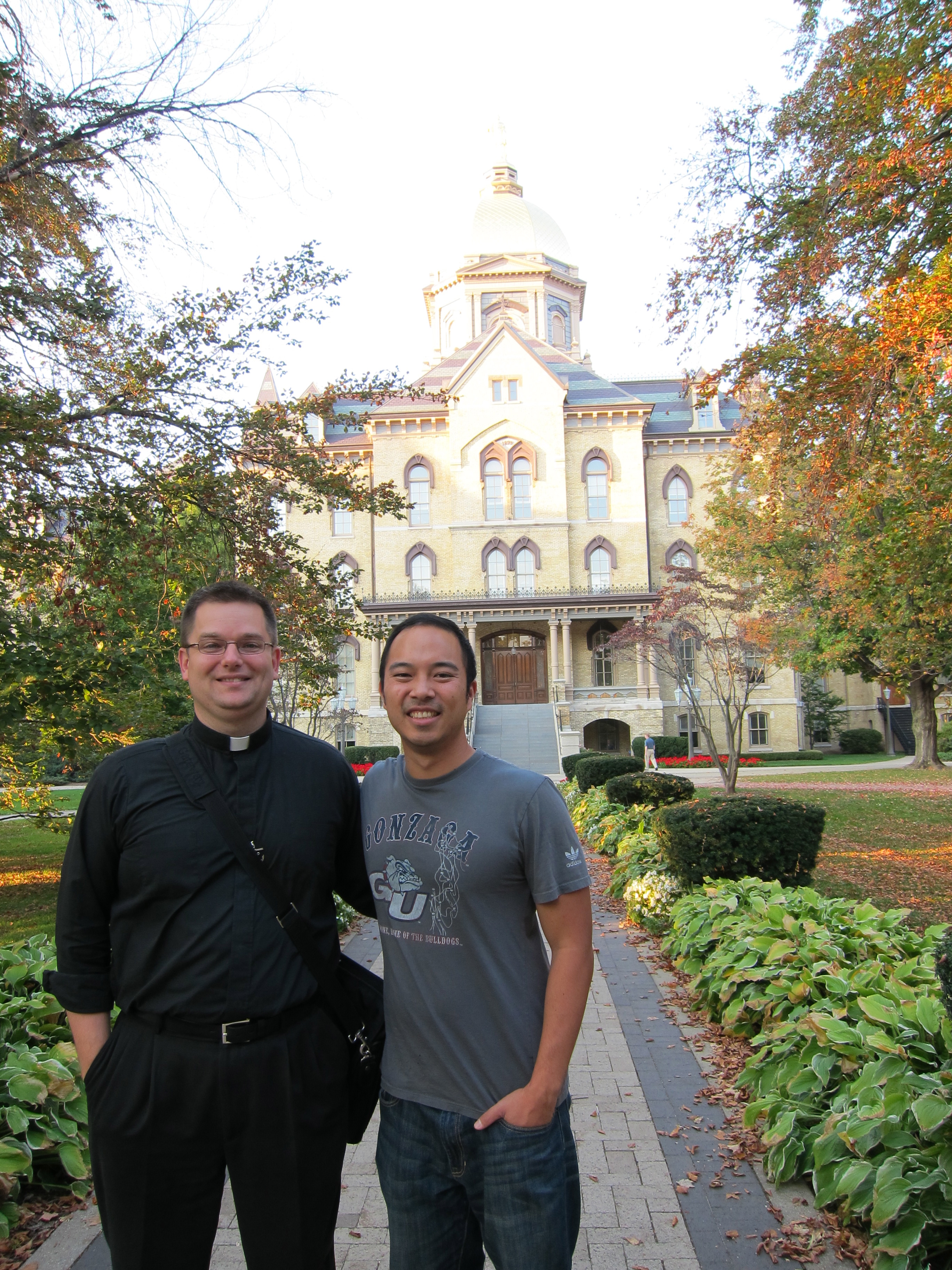
» During our trip to Chicago, we visited Indiana (and Notre Dame), Michigan (specifically a town called Holland), and Wisconsin (Lake Geneva) to knock off a couple more states in our goal to see all 50 states together.
» Traveled back to Alaska for work
» Headed home to Hawaii to visit Family
Lessons Learned:
» The Hunger Games Series are really good (Michelle and I read all three books in a couple of days).
» Austin,TX > Houston, TX.
» Chicago, IL > Austin, TX (except in the winter). Therefore, Chicago > Houston.
» Notre Dame is nice, Holland Michigan is surprisingly nice, and Lake Geneva is expectedly nice (supposedly a “rich, 1% area”)
» Alaska is still wild and beautiful. *Special Note – If given the option to fly in a little plane or drive, I would suggest the drive. The little plane was quite shaky.
» 4 plane rides within a 24 hour period is no fun, however, flying in an airplane still AMAZES me.
Brand Management seems like a really big concept (and in some ways it is), but from a communication standpoint, a Company’s or Organization’s Brand is, really, it’s Identity (you could also throw in the word reputation as well). Maybe the best way to think about Brand Management is to think about it in terms of relationships. Your brand is affected by and affects others (what do you think about yourself, what do others think about you, and what do you think about what others think about you). Your brand/identity is based on relationship.
As I mentioned in the start of this blog series, we all have some experience being brand managers as we all have our own personal identities. We can all recognize the countless factors that make-up our identity (ie. passions and interests, natural talent and abilities, clothes, cultural upbringing, political and religious viewpoints, etc….). In my most recent post in this series, I talked about intentional communication, and how everything we do communicates something directly and/or indirectly.
In regards to Brand Management, the main goal is to think about all the things that can affect one’s brand. Here is a great info graphic by David Armano, showing the steps of moving a consumer toward loyalty (Brand Heaven) or disloyalty (Brand Hell):
Your goal as a business is to create loyalty, increase repeat customers, and overall, get people to like (if not LOVE) what you do and what you are all about. As a company or organization, your reputation is ultimately your responsibility. Unless you are a celebrity or have a service/product that is in high demand, you are like the rest of us that have to work to build brand reputation and value. And wouldn’t you know it, that takes actual time, effort, but more importantly, intentional strategy.
There is a great saying regarding relationships to the effect that it “takes a lifetime to build a friendship (relationship, marriage, trust) and seconds to destroy it.” Brand management is very similar. As an organization, you are doing whatever you can to build your audience and increase their loyalty to you. You will try and convince others that you have the best product or services, advertise to let people know you exist, you will use social media, deals, special events, networking, etc… But if you are not careful, you could ruin your reputation and have to start all over again (like Toyota)…
For a good chunk of time, Toyota rode a wave of success on the reputation they built as a reliable automobile company. Their cars were by no means the most attractive, must-have product (like the interest Apple products garner), but their reliability made Toyota a popular choice for repeat customers. As of recently though, Toyota has had to recall millions of vehicles amidst media reports of questionable vehicle safety. During this time, the reputation that Toyota worked so hard to create (safety and reliability) came crashing down, along with their sales. Since then, Toyota has had to spend millions to fix vehicle issues and millions in advertising campaigns to fix their damaged brand image (think about the countless commercials regarding Toyota and safety).
If you are a business or organization, here are some general things to think about regarding your brand:
Who are you?
What do you do?
Why does it matter?
—————————————
Now here’s the short, short list of ways that you might answer the questions above:
» Product or Services Provided
» Logo/Identity
» Company/Organization Mission or Core Values
» Written and Verbal Communication (Emails, phone calls, etc…)
» Customer Service Professionalism
» Website
» Signage
» Environment Design (what your work/office/restaurant/store looks like)
» Printed flyers/brochures/business cards
» Etc. Etc. Etc….
Again, think of all the ways that you as a company/organization interact with your audience. As brand managers, our role is to help our clients think of most if not all of these pieces. Some of the things mentioned above take greater priority than others (different for everyone). Most of the time clients are too busy focused on their product or service that they don’t think about the other ways that affect their brand. We provide that outside perspective to help manage the small details and big picture that makes up a brand.
—————————————
For my last post in this series I’ll be giving tangible example of some of the products and services that we provide. Happy Branding… 🙂
This is what WE (and many of YOU) have all been waiting for! 13 months after applying and even a few weeks after we were originally supposed to depart, we received our Peace Corps invitation. Even though we’ve known it was coming for the past week, it arrived at the door- not the mailbox- so it was definitely a suprise. We had also been clued in to the general region where we’d likely be placed (although we were warned that the program had not made it through final approval yet- and with all the budget cuts going on, we tried not to get our hopes up), but the country we’re assigned was also surprising! Since we’ve been doing a lot of house-sitting lately, the invite came to my (Michelle’s) parents’ house while Jedd was still in Portland for work so that’s why you’ll see Jedd on Skype in the video. You’ll just have to watch it to see where we’re going to end up…
For more key points along our Peace Corps journey, from application stages to moving in to our Jamaican home (including more videos), see: Our Peace Corps Process.
Intentionality and Business
When I got my first job working in Admissions for my alma mater, my supervisor introduced me to the concept of intentionality in business. He was the first to help me realize that companies pay Google to be at the top of search results for keywords and phrases. Call me naive, but if you don’t think about it, which most of us don’t, you truly believe that Google brings you unbiased search results for something like “best laptop computer.” (It makes a big difference in Admissions when a student types in “Best Private Northwest College” and your school isn’t at the top of the list or even on the first page of results).
There are a lot of naive people out there (like myself) that don’t truly see how manipulative and intrusive successful businesses are. There is a reason why businesses track personal information and use that information to sell you products. There is a reason why certain kinds of commercials are played during the Superbowl and not during a Sponge Bob Squarepants’ show. There is a reason why businesses post things on social media sites at specific times- typically mornings, mid-day (at lunch), and in the evening. The reason is intentionality.
Communication We all communicate. I’ll take that one step further – everything communicates something. Whether we communicate intentionally or unintentionally, we are sending information out into the world, and here’s the scary part: this information is interpreted differently by everyone. Sometimes what we communicate is received the way we want it to be received. Usually, the information that is received is interpreted differently from the way we intended.
This is the heart of what my work is all about. We are communication specialists. However, I’ll be the first to admit that while I enjoy communication, I study it, and I am fascinated by it… I am not a great communicator (Ask Michelle 🙂 ). I have to work hard to think about what I am writing or what I am saying out loud, because most of the time I don’t think- I just act- and then end up correcting or regretting what I communicated.
And it’s not just written or verbal communication that’s important. We passively communicate as well. Think about the clothing we decide to wear each day. The hair styles, the tattoos, earrings, etc… All of these things are used to communicate something about one’s self. These passive ways to communicate can also be misinterpreted by others as well. It’s the reason why we “clean up” when going to a job interview, or wear certain logos on our clothing. We want to communicate a specific message of who we are and what we are all about.
In general, what we try to communicate is well intentioned. I know I am not a “writer”, but I know that when people read these words that I am putting together, they will understand (I hope) the gist of what I am talking about.
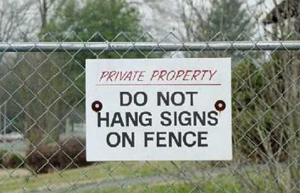
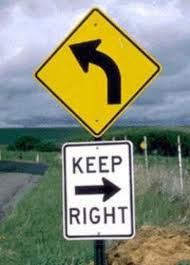
Of course, it’s not just the visual communication, but you’ll notice that some of the logos’ word choices are poor as well (like the picture at the top of this post). You ask yourself, “What were they thinking?” And generally, that’s just it: they didn’t think about it. Here are some well intended signs that are confusing (and funny).
The good news is that we can all become better communicators. I don’t think it’s possible for anyone to be perfect, but we can definitely work (if anything, just try) to think about what we communicate and how it might be interpreted as others. We cannot assume that everyone should and can understand us the way we want them to (that would be naive and in some ways arrogant).
In our studio, we are constantly discussing whatever we create and how it might be interpreted by others. If our communication is not clear, authentic, and- most importantly- accurate, then we’ve failed. A lot of businesses can make huge changes regarding their business identity and communication with simple, intentional changes (and yes I intentionally wrote these words).
—
Just a heads up – next week I’ll be talking specifically about brand management, what intentional communications means for a business and their brand.
 Do we take some tools with us? What about a jacket, will it be cold in Jamaica? Johnny’s seasoning? How about a long sleeve shirt? A tie? Do I really need a tie?









 Simply Intentional